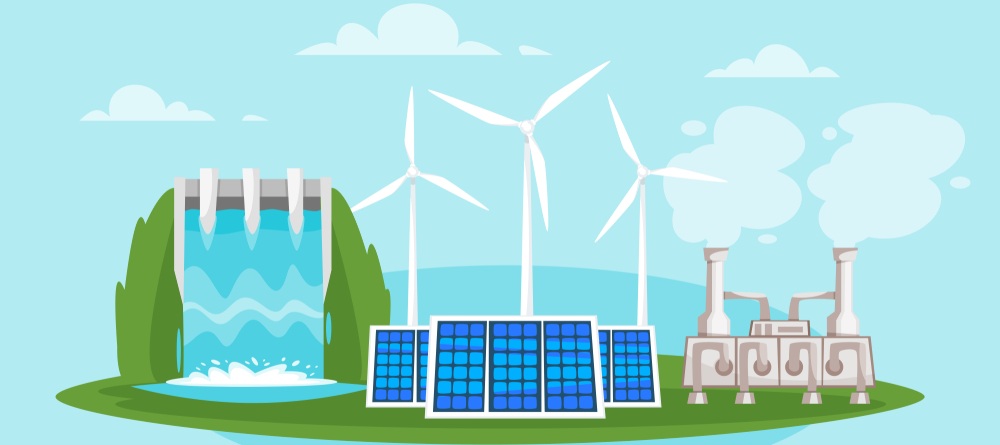
Renewable energy bitcoin mining is rapidly transforming the cryptocurrency landscape by addressing one of its most significant challenges: energy consumption. The controversial environmental footprint of conventional crypto mining, primarily reliant on fossil fuels, is being challenged by a wave of sustainable crypto mining initiatives leveraging clean energy sources.
As electric grids incorporate more renewable capacity and technology evolves, mining operators increasingly turn to solar, wind, hydro, and other green power alternatives. This evolution isn’t just a trend—it’s becoming an industrial imperative shaped by environmental responsibility and economic opportunity. This guide explores how the convergence of cheaper renewables and innovative mining solutions are driving a new, sustainable paradigm for the industry looking toward 2025 and beyond.
The Drivers Behind the Renewable Mining Revolution
The shift toward renewables in crypto mining is powered by a combination of regulatory, economic, and technological factors:
- Falling Renewable Costs: Improvements in solar and wind technology have made these energy sources the cheapest forms of new electricity generation in much of the United States.
- Profit Maximization: Mining profitability hinges on energy costs, pushing operators to seek out the lowest-cost electricity—which increasingly means renewables.
- Regulatory & ESG Pressure: Potential carbon taxes, stricter emissions regulations, and the expanding influence of Environmental, Social, and Governance (ESG) investing are pressuring miners to adopt green solutions.
- Energy Grid Innovation: Crypto mining is evolving as a flexible energy consumer, capable of grid balancing, reducing renewable curtailment, and monetizing otherwise wasted energy like flared gas at oil wells.
Renewable Energy Sources Powering the Future of Mining
Below is a comparison of key renewable energy sources powering sustainable crypto mining operations today:
| Energy Source | How It’s Used in Mining | Key Advantages | Challenges & Considerations |
|---|---|---|---|
| Solar Power | Off-grid farms in sunny regions; blended with battery storage | Low marginal operating cost; scalable and modular | High upfront capital; intermittent without storage |
| Wind Power | Large-scale mining sites located near wind farms | Very low cost per kWh at scale; produces power overnight | Location-dependent; variable output |
| Hydroelectric Power | Mining facilities near dams or micro-hydro plants | Stable, continuous 24/7 power; often cheapest power available | Geographic limitations; seasonal water flow variability |
| Flared/Stranded Gas | Mobile mining rigs using otherwise wasted gas at oil wells | Reduces methane emissions; monetizes waste gases | Complex logistics; remains a carbon source |
Real-World Case Studies: Pioneers of Green Bitcoin Mining
Solar-Powered Mining in Texas
- Project Overview: Integrates solar panels with battery storage to operate continuously, selling excess power back to the grid at peak times.
- Key Insight: Enables profitable mining by leveraging grid sell-back prices during high demand and mining during low-price periods—maximizing revenue while running on renewable power.
Hydro-Powered Mining in the Pacific Northwest
- Project Overview: Mining farms connected directly to hydroelectric dams, benefiting from low and stable electricity prices through long-term power purchase agreements (PPAs).
- Key Insight: Predictability in energy pricing and carbon neutrality make these setups appealing for large-scale sustainable mining.
Flared Gas Mining in the Bakken Shale
- Project Overview: Mobile mining units placed on oil wells capture flared methane gas, converting it into electricity for mining operations.
- Key Insight: This practice mitigates methane emissions, turning a significant source of environmental harm into economic opportunity, simultaneously addressing energy waste and pollution concerns.
The Future Outlook: Trends to Watch (2025 and Beyond)
Looking to the future, these emerging trends promise to shape the ongoing green bitcoin mining revolution:
- AI & Mining Synergy: Combining AI data centers with mining operations to dynamically optimize renewable energy consumption and improve efficiency.
- Heat Reuse: Capturing mining-generated waste heat to warm greenhouses, homes, or industrial processes, increasing overall energy utilization.
- DeFi and Green Protocols: New decentralized finance protocols designed to incentivize or authenticate sustainable mining practices natively within blockchain systems.
- Policy & Carbon Credits: Opportunities for miners to participate in carbon offset markets by verifying green energy usage, creating supplementary income streams linked to sustainability.
FAQ
Can bitcoin mining be 100% renewable?
Achieving a full 100% renewable bitcoin mining grid at scale is complex and requires grid coordination, battery storage, and geographic diversification. However, many mining operations already run exclusively on renewables, and the industry is actively driving new renewable infrastructure development.
Is solar mining profitable?
Profitability depends on factors like the quality of sunlight (solar irradiance), local incentives, equipment costs, and Bitcoin prices. In sunny regions with high electricity costs, solar-powered mining can lock in low-cost energy and deliver strong, predictable returns.
How does renewable mining help the environment?
Renewable mining drastically reduces the carbon emissions associated with crypto mining. It also fosters the development of new clean energy projects and can reduce methane emissions by monetizing flared natural gas—a potent greenhouse gas contributing to climate change.
Renewable energy is no longer just an environmental talking point for crypto mining—it’s a fundamental economic and operational shift reshaping industry dynamics. By embracing solar, wind, hydro, and flared gas solutions, miners are enhancing profitability, minimizing environmental impact, and aligning with global sustainability goals.
The future of crypto mining is green, and this transformation is well underway, powering the blockchain economy sustainably into 2025 and beyond.