Рубрики
Без рубрики

Renewable Energy Australia: A Fair Dinkum Comparison of Solar, Wind & More

With our sun-drenched landscapes, windy coastlines, and vast open spaces, Australia is sitting on a goldmine of renewable energy potential. Moving away from fossil fuels isn’t just a global trend; it’s a massive opportunity for us to take control of our power bills and build a cleaner, more resilient grid.

But with so much talk about solar, wind, hydro, and more, it can be tricky to sort the hype from the hard facts. What’s truly the best option for your family home, your farm, or a large-scale business?

Strap yourselves in, because we’re diving deep into a no-nonsense comparison of the major renewable energy sources right here in Australia.

The Aussie Renewable Energy Landscape: A Quick Snapshot

Before we compare the technologies, let’s look at the lay of the land. Australia’s electricity generation is undergoing a massive transformation. Here’s how the mix is shaping up:

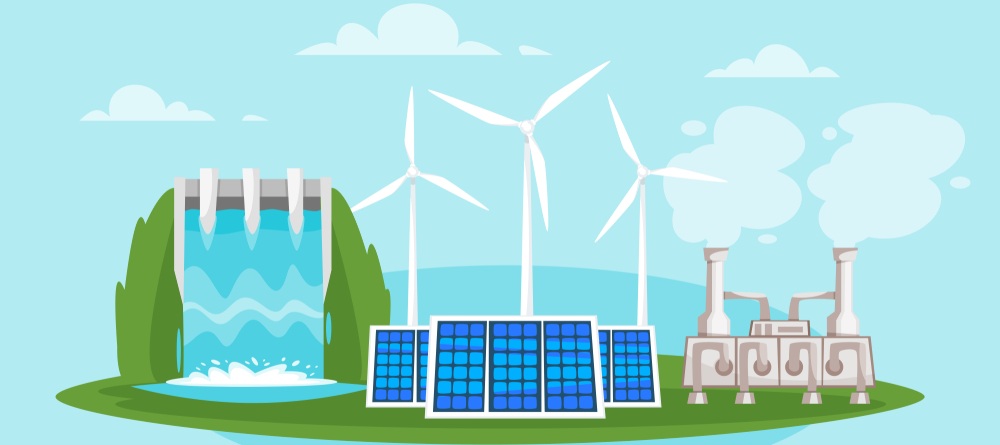
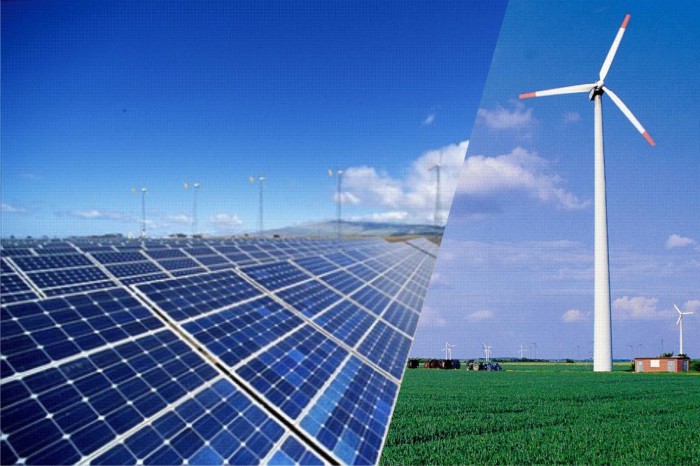
  1. Solar Power: An absolute powerhouse. From the millions of rooftop solar systems (the highest uptake per capita in the world!) to massive utility-scale solar farms in the Outback, solar is leading the charge.
  2. Wind Power: A consistent and major contributor, particularly in South Australia, Victoria, and Tasmania. Both onshore and offshore projects are expanding rapidly.
  3. Hydroelectric Power: The old faithful of renewables. Tasmania is the leader, providing a stable, dispatchable source of power, often supported by pumped hydro like the Snowy 2.0 project.
  4. Biomass & Bioenergy: A smaller but significant player, often using agricultural waste, landfill gas, and forestry by-products, particularly in regional areas.

Now, let’s get into the nitty-gritty of each one.

Head-to-Head: Comparing the Major Renewable Contenders

1. Solar Power

Harnessing the mighty Aussie sun is a no-brainer for many.

  • How it Works: Photovoltaic (PV) panels convert sunlight directly into electricity. For large-scale solar farms, the principle is the same, just on a much bigger scale.
  • Best Suited For:
    • Rooftop Solar: Virtually every Australian homeowner and business with a suitable roof.
    • Large-Scale Solar Farms: Areas with high solar irradiation, like Queensland, NSW, and WA.

The Good:

  • Abundant Resource: We have some of the best solar resources on the planet.
  • Scalability: Works for a single home or a massive power plant.
  • Low Operating Costs: Once installed, sunlight is free.
  • Government Incentives: STCs for small-scale systems significantly reduce upfront costs.

The Not-So-Good:

  • Intermittent: Doesn’t generate power at night and production drops in cloudy weather.
  • Requires Storage: To maximise self-consumption, a battery storage system is often needed, which adds to the cost.
  • Space: Large-scale farms require significant land area.

2. Wind Power

Using the powerful winds that sweep across our coasts and plains.

  • How it Works: Wind turns the blades of a turbine, which spins a generator to produce electricity.
  • Best Suited For: Large-scale energy generation for the grid, often in rural and coastal regions. Also suitable for large industrial sites and remote communities.

The Good:

  • High Efficiency: Modern turbines can convert a large portion of wind energy into electricity.
  • Cost-Effective at Scale: One of the cheapest sources of new-build electricity generation.
  • Can Generate Day and Night: As long as the wind is blowing, power is being produced.

The Not-So-Good:

  • Intermittent: Wind speeds are variable, leading to fluctuating output.
  • Visual and Noise Impact: Can be controversial in some local communities.
  • Location Dependent: Only viable in areas with consistent, strong wind resources.

3. Hydroelectric Power

A proven technology that uses the power of moving water.

  • How it Works: Dams store water in reservoirs; when released, the flowing water spins turbines connected to generators.
  • Best Suited For: Large-scale, baseload power generation and grid stability. Pumped hydro is ideal for storing excess energy from solar and wind.

The Good:

  • Dispatchable: Power can be generated on demand, unlike solar and wind.
  • Excellent for Storage: Pumped hydro acts as a giant «battery» for the grid.
  • Long Lifespan: Hydro plants can operate for decades.

The Not-So-Good:

  • Geographically Limited: Requires specific topography (mountains, rivers) and is largely concentrated in Tasmania and the Snowy Mountains.
  • High Upfront Cost & Long Lead Times: Building dams and infrastructure is expensive and time-consuming.
  • Environmental Impact: Can significantly alter local ecosystems and water flows.

4. Biomass & Bioenergy

Turning organic waste into power.

  • How it Works: Organic material (e.g., sugarcane bagasse, wood waste, methane from landfill) is burned or converted into gas to generate electricity.
  • Best Suited For: Regional areas with strong agricultural or forestry industries, and waste management facilities.

The Good:

  • Waste to Energy: Provides a use for agricultural and urban waste.
  • Dispatchable: Can generate power when needed, supplementing intermittent sources.
  • Supports Regional Economies: Creates jobs in farming and waste management sectors.

The Not-So-Good:

  • Emissions: While carbon-neutral in theory (the carbon released was recently absorbed by the plants), the combustion process still produces air pollutants.
  • Limited Scalability: Fuel supply is dependent on local industry and can be constrained.
  • Logistics: Collecting and transporting biomass can be energy-intensive itself.

The Quick Comparison Table

FeatureSolar PowerWind PowerHydroelectricBiomass
Aussie HotspotQLD, NSW, WASA, VIC, TASTAS, Snowy MountainsQLD, Regional NSW
Upfront CostMedium (rooftop)High (farm)Very HighHigh
Running CostsVery LowLowLowMedium
Intermittent?YesYesNoNo
ScalabilityExcellent (Small to Large)Good (Large-scale)Limited by GeographyLimited by Fuel
Best ForHomes, BusinessesGrid Power, RegionalBaseload, StorageIndustry, Waste Mgmt

So, What Should You Choose? It Depends on Your Situation.

This isn’t a one-size-fits-all answer. The «best» choice hinges entirely on your context.

For the Average Australian Household:

Rooftop Solar (often with a battery) is the undisputed champion. With our fantastic solar resources and government rebates (STCs), it offers the quickest payback time and maximum control over your electricity bills. It’s a ripper of an investment.

For Farmers and Large Landholders:

You have fantastic options.

  • Solar: Installing a large system to power intensive farming operations (irrigation, cooling) can slash operational costs.
  • Wind: If your property is in a windy zone, hosting a turbine or two (or a whole wind farm) can provide a significant and reliable secondary income stream through land lease agreements.

For Businesses and Industry:

  • Power Purchase Agreements (PPAs) for large-scale solar or wind are a popular way to lock in low, stable electricity prices and meet sustainability goals.
  • On-site solar is a no-brainer for warehouses and factories with large roof space.
  • Biomass can be a perfect circular solution for agribusinesses with significant organic waste.

For the National Grid:

We don’t need to choose one winner. The future is a diverse mix. Solar and wind provide cheap, abundant energy, while hydro (especially pumped hydro) and battery storage provide the crucial firming capacity to keep the lights on when the sun isn’t shining and the wind isn’t blowing.

The renewable energy revolution in Australia isn’t a distant dream; it’s happening right now. While solar power is the go-to for most households and businesses, the strength of our grid relies on a combination of all these technologies.
Рубрики
Без рубрики

Types of Clean Energy Sources in Australia: A Full Guide

As the sun beats down on the outback and the wind whips across the Southern Ocean, it’s no secret that Australia is sitting on a goldmine of clean energy potential. We’re moving beyond the old ways, and the shift towards renewables isn’t just a trend—it’s a full-blown transformation of our energy landscape.

If you’re wondering what’s powering this change and what the key types of clean energy sources are, you’ve come to the right spot. This guide will walk you through the major players that are helping us reduce emissions and create a more sustainable future down under.

What is Clean Energy, Anyway?

In a nutshell, clean energy comes from natural sources or processes that are constantly replenished and, most importantly, produce little to no greenhouse gas emissions when generating power. Unlike our traditional reliance on coal and gas, these sources give us a way to keep the lights on without cooking the planet.

The Major Types of Clean Energy Powering Australia

Let’s dive into the clean energy sources that are making waves across our sunburnt country.

1. Solar Power

Harnessing the power of the sun is a no-brainer for Australia. We have some of the best solar resources in the world.

  • How it Works: Photovoltaic (PV) cells in solar panels convert sunlight directly into electricity. It’s the same tech you see on household rooftops and massive solar farms.
  • Australian Potential:
    • Rooftop Solar: We’re world leaders! Over 3 million Aussie homes have solar panels on their roofs.
    • Large-Scale Solar Farms: Projects like the Darlington Point Solar Farm in NSW are feeding huge amounts of clean power into the grid.
  • Key Benefit: Abundant and scalable, from a single panel to a full-scale farm.

2. Wind Power

The same powerful winds that sweep across our coasts and rural plains are a formidable source of energy.

  • How it Works: Large wind turbines use the kinetic energy of the wind to spin blades, which drive a generator to produce electricity.
  • Australian Potential:
    • Onshore Wind: Well-established, with major wind farms like Coopers Gap in QLD and Macarthur in VIC.
    • Offshore Wind: This is the next frontier! Areas in Gippsland, Victoria, have been identified as prime spots for Australia’s first offshore wind farms.
  • Key Benefit: A powerful and efficient source, especially during the night when solar isn’t generating.

3. Hydropower

One of the oldest and most reliable renewable sources, hydropower uses flowing water to generate electricity.

  • How it Works: Water stored in dams is released, flowing through turbines to spin a generator. «Pumped Hydro» acts like a giant battery, pumping water uphill to a reservoir when energy is cheap and releasing it to generate power during peak demand.
  • Australian Potential:
    • The Snowy Mountains Hydro-Electric Scheme is the iconic example.
    • The Snowy 2.0 expansion is a critical pumped hydro project set to provide massive storage and grid stability.
  • Key Benefit: Provides reliable, on-demand power and crucial energy storage.

4. Biomass Energy

This one turns our waste into watts. Biomass energy generates power from organic materials.

  • How it Works: Organic matter (like sugarcane waste, wood chips, or food waste) is burned directly, converted into biogas (through anaerobic digestion), or processed into biofuels.
  • Australian Potential: Popular in agricultural regions. For example, sugar mills in Queensland have long used bagasse (the fibrous waste from sugarcane) to power their operations.
  • Key Benefit: A great way to reduce landfill waste and generate energy simultaneously.

5. Geothermal Energy

Tapping into the immense heat deep beneath the Earth’s surface. While its potential in Australia is still being unlocked, it’s incredibly promising.

  • How it Works: «Hot Rock» geothermal involves drilling deep wells to access hot rocks. Water is pumped down, heated, and brought back to the surface to drive turbines and generate power.
  • Australian Potential: The Cooper Basin in central Australia is a key area of exploration due to its high underground temperatures.
  • Key Benefit: Provides a constant, ‘baseload’ power source, 24/7, regardless of weather.

6. Ocean Energy

As an island nation, the energy in our waves and tides is a vast, untapped resource.

  • How it Works: This includes technologies that capture the energy of wave movement and tidal streams.
  • Australian Potential: Still in the research and pilot stage, but with massive potential, particularly along the southern coastline.
  • Key Benefit: Highly predictable and consistent.

Comparing Clean Energy Sources for the Australian Market

Energy SourceKey Advantage in AustraliaMain ConsiderationDevelopment Stage in Australia
Solar PowerWorld-class solar resourceIntermittent (daytime only)Well-Established
Wind PowerExcellent coastal & southern wind resourcesIntermittent; can face social licensing challengesWell-Established
HydropowerProvides reliable, on-demand power and storageLimited by water availability & geographyWell-Established
BiomassUtilises agricultural waste; provides baseload powerEmissions from combustion require managementMature
GeothermalPotential for 24/7 baseload powerHigh upfront exploration costsEmerging
Ocean EnergyVast and predictable resourceTechnology is in early development stagesPilot / R&D Phase

The Clean Energy Mix: It’s All About Teamwork

You might be wondering, «Which one is the best?» The truth is, there’s no single winner. The goal is a diverse energy mix. When the sun isn’t shining, the wind might be blowing, and hydropower can be called upon to fill the gaps. This diversity makes our grid more resilient and reliable.

The shift is well and truly on, driven by both large-scale projects and the power of everyday Aussies putting solar on their rooftops. By understanding these different types of clean energy sources, we can all be part of the conversation and power a brighter, cleaner future for Australia.

Рубрики
Без рубрики

The Bitcoin Mining Profitability Guide: Calculate Your ROI and Explore Alternatives

A bitcoin mining profitability calculator is often the first tool miners turn to when asking, «Will I make money mining Bitcoin?» But true understanding goes far beyond plugging numbers into a website. Mining profitability depends on multiple complex factors—hardware efficiency, electricity costs, network difficulty, and market volatility—not all captured by simple tools.

This guide aims to teach you how to be your own calculator. We’ll break down every key variable, examine real-world profitability scenarios, and help you interpret what the numbers truly mean for your ROI. For those facing unfavorable outcomes, we’ll also explore realistic alternatives to traditional mining to help you pivot strategically.

The 5 Core Variables of Any Mining ROI Calculator

The Bitcoin Mining Profitability Guide: Calculate Your ROI and Explore Alternatives

Understanding the inputs that go into profitability calculations is critical:

  1. Hash Rate
    Measures your equipment’s computational power, usually in terahashes per second (TH/s) or gigahashes per second (GH/s). More hash means a higher chance of earning rewards.Common ASIC miners and their hash rates:
    • Antminer S19 XP: 140 TH/s
    • Antminer S19 Pro: 110 TH/s
    • Whatsminer M50: 118 TH/s
  2. Power Consumption
    Watts (W) your hardware consumes during operation. Efficiency is judged by how many watts used per TH/s.Corresponding power draw for popular ASIC miners:
    • Antminer S19 XP: 3010 W
    • Antminer S19 Pro: 3250 W
    • Whatsminer M50: 3276 W
  3. Electricity Cost
    Usually billed in dollars per kilowatt-hour ($/kWh), this is the single most important factor affecting profitability. To answer is mining profitable with my electricity cost? check your utility bill under “Rate” or “Cost per kWh.”Average US residential electricity rates vary widely:
    • California: $0.25/kWh
    • Texas: $0.12/kWh
    • Washington: $0.10/kWh
    • Louisiana: $0.08/kWh
  4. Pool Fees
    Mining pools charge fees, typically between 1–2%, deducted from your earnings for access and payout management.
  5. Bitcoin Price & Network Difficulty
    External factors that fluctuate daily. Difficulty adjusts roughly biweekly based on total network hash power; Bitcoin price drives fiat value of rewards.

Mining Profitability Analysis: Real-World Scenarios and Tables

Using an Antminer S19 XP as a benchmark, here’s how profitability changes based on electricity rates and hardware:

Profitability at Different Electricity Costs ($/kWh)

Electricity Cost ($/kWh)Estimated Daily CostEstimated Daily RevenueEstimated Daily Profit/Loss
0.05$1.20$3.50+$2.30
0.12$2.88$3.50+$0.62
0.25$6.00$3.50-$2.50
0.40$9.60$3.50-$6.10

Comparing Different Miner Models (Electricity Cost Fixed at $0.15/kWh)

Miner ModelHash Rate (TH/s)Power Draw (W)Daily Profit/Loss
Antminer S19 XP1403010+$0.15
Antminer S19 Pro1103250-$1.05
Whatsminer M501183276-$0.90

Interpreting Your Scenario: What the Data Tells You

  • The Profit Zone: Electricity costs below ~$0.10/kWh give you the best chance at profitable mining with current ASICs.
  • The Danger Zone: Between $0.10 and $0.20/kWh, profitability is marginal and sensitive to Bitcoin price swings and difficulty increases.
  • The Loss Zone: Above $0.20/kWh, mining with standard hardware typically results in financial loss.

Strategic Alternatives for Non-Viable Mining Scenarios

If mining doesn’t pencil out, consider these:

  1. Cloud Mining
    Rent hashing power hosted by providers. Beware risks:
    • Scams and exit fraud
    • Unfavorable contract terms
    • Typically lower returns than solo mining
  2. Exploring Proof-of-Stake (PoS) Cryptocurrencies
    Invest or stake coins like Ethereum, Cardano, or Solana that use more energy-efficient consensus mechanisms.
  3. Alternative Bitcoin Acquisition
    For individuals priced out of mining, acquiring Bitcoin on exchanges remains the primary option. Some explore btc casino platforms as a high-risk speculative method to gain Bitcoin without mining energy costs. Important: these platforms involve significant chance and are gambling, not investment—only play with funds you can afford to lose.

FAQ

What is a good electricity rate for Bitcoin mining?

Rates under $0.10 per kWh are generally viable for profitable mining with modern, efficient hardware. Above $0.15, profitability becomes unlikely for most miners.

How do I calculate mining profit without a calculator?

Use:
Profit = (Daily Bitcoin Earned Bitcoin Price) — (Power in kW 24 * Electricity Cost).
Our profitability tables apply this formula for common scenarios.

Is Bitcoin mining still profitable in 2025?

Profitability depends heavily on electricity cost, hardware efficiency, and market conditions. For many residential users, subsidized or very cheap power is essential to turn a profit.


Bitcoin mining today is a professional, capital- and energy-intensive activity dominated by those with access to low-cost power. This guide aims to provide a realistic, data-driven foundation so you can calculate your true mining ROI, assess risks, and make informed decisions including exploring viable alternatives. Approaching mining with these insights will help prevent unexpected losses and guide your best path forward.

Рубрики
Без рубрики

How US Energy Policy Could Impact Bitcoin Miners: A 2025 Guide to Regulations, Taxes, and Bans

The US energy policy impact on bitcoin miners is rapidly becoming a central issue as the industry grows into a significant industrial energy user. Federal and state policymakers are increasingly scrutinizing crypto mining’s power consumption, given its scale and environmental implications. This guide provides a clear framework for understanding the spectrum of potential policy measures—ranging from targeted energy taxes and emission regulations to outright mining bans—and what these could mean for the future of bitcoin mining in the United States.

As legislation evolves, miners and investors face heightened uncertainty. Navigating this landscape requires awareness of both federal and state initiatives and insight into how these policies might shape operational viability and investment strategy in 2025 and beyond.

Why US Energy Policy is Focusing on Bitcoin Mining

Several critical factors have placed bitcoin mining at the forefront of energy policy discussions:

  • Grid Stability Concerns: Intensive mining load during peak hours puts strain on aging infrastructure, risking blackouts or outages.
  • Environmental Goals: Aligning with federal and state objectives for carbon neutrality and greenhouse gas reduction.
  • Political Pressure: Growing public and political scrutiny over bitcoin’s environmental footprint.
  • Economic Opportunity: Recognition of mining’s potential to support grid balancing and the expansion of renewables.

Potential Federal Policy Pathways and Their Impact

Policy MechanismHow It Would WorkLikelihood (Short-Term)Potential Impact on Miners
Carbon Tax / Emissions FeeTaxing energy consumption correlated with carbon outputMediumCould heavily affect miners reliant on fossil fuels; push toward renewables
EPA RegulationsClassifying mining as electric utility generating unitsLow-MediumMay impose costly emissions controls, increasing operational expenses
Interconnection ReformsFERC revising rules on connecting large energy consumersHighCould raise costs and delay new mining facility hookups
National Security Review (CFIUS)Scrutiny of foreign-owned mining near critical infrastructureHighPossible restrictions on foreign investments, forcing divestitures

State-by-State Approach: From Bans to Incentives

How US Energy Policy Could Impact Bitcoin Miners

Restrictive States: The Push for Bans and Moratoriums

  • New York: Enacted the first-in-nation moratorium on new proof-of-work mining using carbon-heavy power, citing environmental concerns.
  • Other States: Proposed legislation in several jurisdictions, focusing on curbing mining’s carbon emissions.

Neutral States: Watching and Waiting

  • States like Georgia and Washington maintain significant mining presence but have not enacted restrictive laws, choosing to monitor developments.

Friendly States: Incentivizing Mining Operations

  • Texas: Embraces mining for its ability to provide grid flexibility and spur local economic growth.
  • Wyoming & Kentucky: Offer pro-bitcoin legislation and tax incentives to attract and support mining businesses.

Strategic Responses: How Miners Can Prepare and Adapt

  1. Diversify Geographically: Avoid concentration in one high-risk jurisdiction by spreading operations across multiple states.
  2. Go Green Proactively: Accelerate shifts toward renewable and nuclear energy to mitigate carbon taxes and enhance public perception.
  3. Engage in Policy Discourse: Collaborate with advocacy groups like the Bitcoin Mining Council to educate lawmakers on mining’s grid benefits and sustainability progress.
  4. Stress-Test Business Models: Use financial scenarios simulating various tax and regulatory regimes to ensure operational resilience.

The Most Likely Scenarios for 2025-2026

  • No Federal Ban: Nationwide prohibition is politically unlikely given industry lobbying and energy policy complexity.
  • Increased Reporting & Transparency: Regulation will focus on mandatory disclosure of energy sources and emissions data.
  • State-Level Fragmentation: Divergent policies will produce a patchwork regulatory landscape of bans, permissiveness, and incentives.
  • Focus on Grid Integration: The narrative will evolve from energy consumption concerns toward how miners can support grid stability with demand-response services.

FAQ

Is Bitcoin mining illegal in the US?

No. Bitcoin mining is not federally illegal. However, some states like New York have established temporary moratoriums on new proof-of-work mining operations that use carbon-intensive electricity.

What is the Digital Asset Mining Energy (DAME) tax?

Proposed in 2024, the DAME tax aimed to impose a 30% excise tax on electricity used for digital asset mining. Though it failed to pass, it exemplifies federal interest in taxing mining energy consumption and signals possible future similar policies.

How can Bitcoin mining help the energy grid?

Bitcoin mining offers flexible load management by ramping down operations during peak demand and utilizing stranded or flared energy sources, thus incentivizing renewable buildout and enhancing grid resiliency.


Regulatory risk is now a critical business factor for US bitcoin miners. The operators best positioned for long-term success will be those who proactively adapt their energy sourcing, engage with policymakers constructively, and transparently demonstrate mining’s value to the energy ecosystem. Navigating this evolving regulatory landscape with foresight and flexibility will determine the industry’s resilience and growth prospects in 2024 and beyond.

Рубрики
Без рубрики

The Future of Crypto Mining: How Renewable Energy is Powering the Industry (2025 and Beyond)

Renewable energy bitcoin mining is rapidly transforming the cryptocurrency landscape by addressing one of its most significant challenges: energy consumption. The controversial environmental footprint of conventional crypto mining, primarily reliant on fossil fuels, is being challenged by a wave of sustainable crypto mining initiatives leveraging clean energy sources.

As electric grids incorporate more renewable capacity and technology evolves, mining operators increasingly turn to solar, wind, hydro, and other green power alternatives. This evolution isn’t just a trend—it’s becoming an industrial imperative shaped by environmental responsibility and economic opportunity. This guide explores how the convergence of cheaper renewables and innovative mining solutions are driving a new, sustainable paradigm for the industry looking toward 2025 and beyond.

The Drivers Behind the Renewable Mining Revolution

The shift toward renewables in crypto mining is powered by a combination of regulatory, economic, and technological factors:

  1. Falling Renewable Costs: Improvements in solar and wind technology have made these energy sources the cheapest forms of new electricity generation in much of the United States.
  2. Profit Maximization: Mining profitability hinges on energy costs, pushing operators to seek out the lowest-cost electricity—which increasingly means renewables.
  3. Regulatory & ESG Pressure: Potential carbon taxes, stricter emissions regulations, and the expanding influence of Environmental, Social, and Governance (ESG) investing are pressuring miners to adopt green solutions.
  4. Energy Grid Innovation: Crypto mining is evolving as a flexible energy consumer, capable of grid balancing, reducing renewable curtailment, and monetizing otherwise wasted energy like flared gas at oil wells.

Renewable Energy Sources Powering the Future of Mining

Renewable Energy Sources Powering the Future of Mining

Below is a comparison of key renewable energy sources powering sustainable crypto mining operations today:

Energy SourceHow It’s Used in MiningKey AdvantagesChallenges & Considerations
Solar PowerOff-grid farms in sunny regions; blended with battery storageLow marginal operating cost; scalable and modularHigh upfront capital; intermittent without storage
Wind PowerLarge-scale mining sites located near wind farmsVery low cost per kWh at scale; produces power overnightLocation-dependent; variable output
Hydroelectric PowerMining facilities near dams or micro-hydro plantsStable, continuous 24/7 power; often cheapest power availableGeographic limitations; seasonal water flow variability
Flared/Stranded GasMobile mining rigs using otherwise wasted gas at oil wellsReduces methane emissions; monetizes waste gasesComplex logistics; remains a carbon source

Real-World Case Studies: Pioneers of Green Bitcoin Mining

Solar-Powered Mining in Texas

  • Project Overview: Integrates solar panels with battery storage to operate continuously, selling excess power back to the grid at peak times.
  • Key Insight: Enables profitable mining by leveraging grid sell-back prices during high demand and mining during low-price periods—maximizing revenue while running on renewable power.

Hydro-Powered Mining in the Pacific Northwest

  • Project Overview: Mining farms connected directly to hydroelectric dams, benefiting from low and stable electricity prices through long-term power purchase agreements (PPAs).
  • Key Insight: Predictability in energy pricing and carbon neutrality make these setups appealing for large-scale sustainable mining.

Flared Gas Mining in the Bakken Shale

  • Project Overview: Mobile mining units placed on oil wells capture flared methane gas, converting it into electricity for mining operations.
  • Key Insight: This practice mitigates methane emissions, turning a significant source of environmental harm into economic opportunity, simultaneously addressing energy waste and pollution concerns.

Looking to the future, these emerging trends promise to shape the ongoing green bitcoin mining revolution:

  • AI & Mining Synergy: Combining AI data centers with mining operations to dynamically optimize renewable energy consumption and improve efficiency.
  • Heat Reuse: Capturing mining-generated waste heat to warm greenhouses, homes, or industrial processes, increasing overall energy utilization.
  • DeFi and Green Protocols: New decentralized finance protocols designed to incentivize or authenticate sustainable mining practices natively within blockchain systems.
  • Policy & Carbon Credits: Opportunities for miners to participate in carbon offset markets by verifying green energy usage, creating supplementary income streams linked to sustainability.

FAQ

Can bitcoin mining be 100% renewable?

Achieving a full 100% renewable bitcoin mining grid at scale is complex and requires grid coordination, battery storage, and geographic diversification. However, many mining operations already run exclusively on renewables, and the industry is actively driving new renewable infrastructure development.

Is solar mining profitable?

Profitability depends on factors like the quality of sunlight (solar irradiance), local incentives, equipment costs, and Bitcoin prices. In sunny regions with high electricity costs, solar-powered mining can lock in low-cost energy and deliver strong, predictable returns.

How does renewable mining help the environment?

Renewable mining drastically reduces the carbon emissions associated with crypto mining. It also fosters the development of new clean energy projects and can reduce methane emissions by monetizing flared natural gas—a potent greenhouse gas contributing to climate change.


Renewable energy is no longer just an environmental talking point for crypto mining—it’s a fundamental economic and operational shift reshaping industry dynamics. By embracing solar, wind, hydro, and flared gas solutions, miners are enhancing profitability, minimizing environmental impact, and aligning with global sustainability goals.

The future of crypto mining is green, and this transformation is well underway, powering the blockchain economy sustainably into 2025 and beyond.