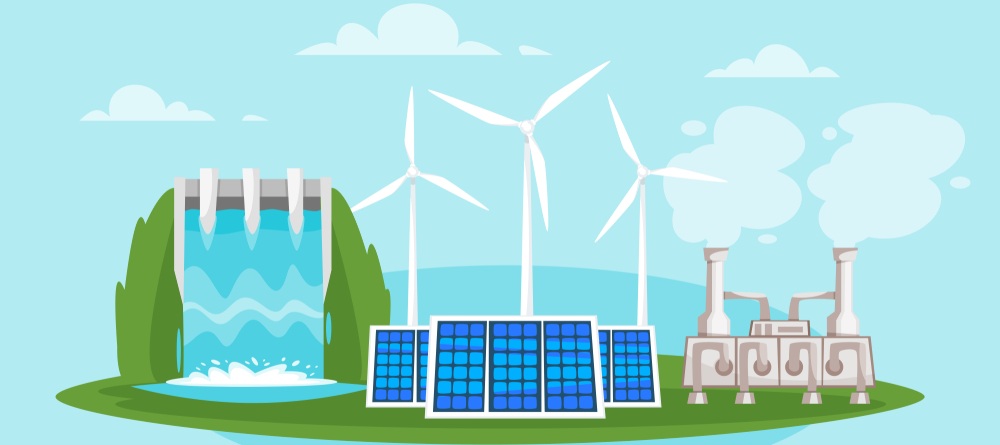
With our sun-drenched landscapes, windy coastlines, and vast open spaces, Australia is sitting on a goldmine of renewable energy potential. Moving away from fossil fuels isn’t just a global trend; it’s a massive opportunity for us to take control of our power bills and build a cleaner, more resilient grid.
But with so much talk about solar, wind, hydro, and more, it can be tricky to sort the hype from the hard facts. What’s truly the best option for your family home, your farm, or a large-scale business?
Strap yourselves in, because we’re diving deep into a no-nonsense comparison of the major renewable energy sources right here in Australia.
The Aussie Renewable Energy Landscape: A Quick Snapshot
Before we compare the technologies, let’s look at the lay of the land. Australia’s electricity generation is undergoing a massive transformation. Here’s how the mix is shaping up:
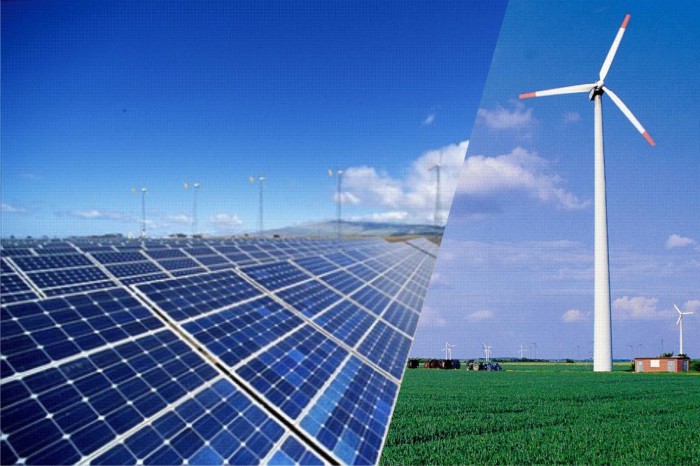
- Solar Power: An absolute powerhouse. From the millions of rooftop solar systems (the highest uptake per capita in the world!) to massive utility-scale solar farms in the Outback, solar is leading the charge.
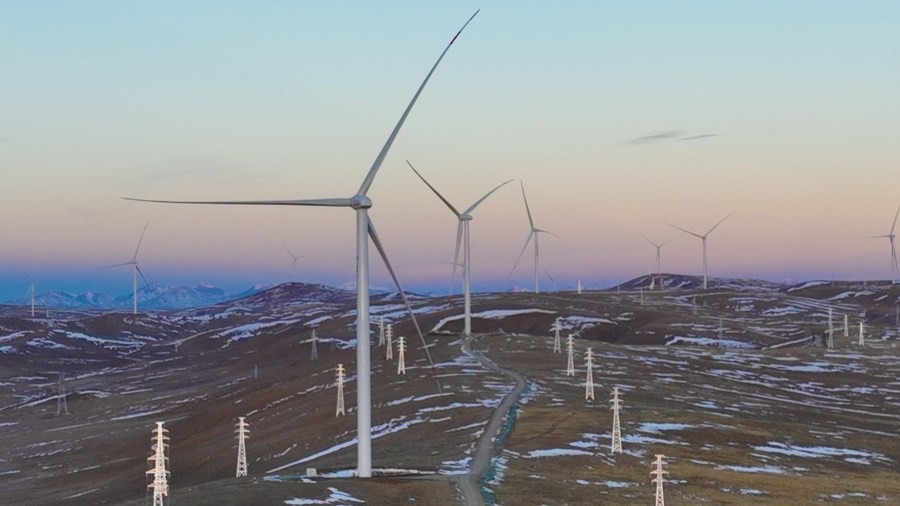
- Wind Power: A consistent and major contributor, particularly in South Australia, Victoria, and Tasmania. Both onshore and offshore projects are expanding rapidly.
- Hydroelectric Power: The old faithful of renewables. Tasmania is the leader, providing a stable, dispatchable source of power, often supported by pumped hydro like the Snowy 2.0 project.
- Biomass & Bioenergy: A smaller but significant player, often using agricultural waste, landfill gas, and forestry by-products, particularly in regional areas.
Now, let’s get into the nitty-gritty of each one.
Head-to-Head: Comparing the Major Renewable Contenders
1. Solar Power
Harnessing the mighty Aussie sun is a no-brainer for many.
- How it Works: Photovoltaic (PV) panels convert sunlight directly into electricity. For large-scale solar farms, the principle is the same, just on a much bigger scale.
- Best Suited For:
- Rooftop Solar: Virtually every Australian homeowner and business with a suitable roof.
- Large-Scale Solar Farms: Areas with high solar irradiation, like Queensland, NSW, and WA.
The Good:
- Abundant Resource: We have some of the best solar resources on the planet.
- Scalability: Works for a single home or a massive power plant.
- Low Operating Costs: Once installed, sunlight is free.
- Government Incentives: STCs for small-scale systems significantly reduce upfront costs.
The Not-So-Good:
- Intermittent: Doesn’t generate power at night and production drops in cloudy weather.
- Requires Storage: To maximise self-consumption, a battery storage system is often needed, which adds to the cost.
- Space: Large-scale farms require significant land area.
2. Wind Power
Using the powerful winds that sweep across our coasts and plains.
- How it Works: Wind turns the blades of a turbine, which spins a generator to produce electricity.
- Best Suited For: Large-scale energy generation for the grid, often in rural and coastal regions. Also suitable for large industrial sites and remote communities.
The Good:
- High Efficiency: Modern turbines can convert a large portion of wind energy into electricity.
- Cost-Effective at Scale: One of the cheapest sources of new-build electricity generation.
- Can Generate Day and Night: As long as the wind is blowing, power is being produced.
The Not-So-Good:
- Intermittent: Wind speeds are variable, leading to fluctuating output.
- Visual and Noise Impact: Can be controversial in some local communities.
- Location Dependent: Only viable in areas with consistent, strong wind resources.
3. Hydroelectric Power
A proven technology that uses the power of moving water.
- How it Works: Dams store water in reservoirs; when released, the flowing water spins turbines connected to generators.
- Best Suited For: Large-scale, baseload power generation and grid stability. Pumped hydro is ideal for storing excess energy from solar and wind.
The Good:
- Dispatchable: Power can be generated on demand, unlike solar and wind.
- Excellent for Storage: Pumped hydro acts as a giant «battery» for the grid.
- Long Lifespan: Hydro plants can operate for decades.
The Not-So-Good:
- Geographically Limited: Requires specific topography (mountains, rivers) and is largely concentrated in Tasmania and the Snowy Mountains.
- High Upfront Cost & Long Lead Times: Building dams and infrastructure is expensive and time-consuming.
- Environmental Impact: Can significantly alter local ecosystems and water flows.
4. Biomass & Bioenergy
Turning organic waste into power.
- How it Works: Organic material (e.g., sugarcane bagasse, wood waste, methane from landfill) is burned or converted into gas to generate electricity.
- Best Suited For: Regional areas with strong agricultural or forestry industries, and waste management facilities.
The Good:
- Waste to Energy: Provides a use for agricultural and urban waste.
- Dispatchable: Can generate power when needed, supplementing intermittent sources.
- Supports Regional Economies: Creates jobs in farming and waste management sectors.
The Not-So-Good:
- Emissions: While carbon-neutral in theory (the carbon released was recently absorbed by the plants), the combustion process still produces air pollutants.
- Limited Scalability: Fuel supply is dependent on local industry and can be constrained.
- Logistics: Collecting and transporting biomass can be energy-intensive itself.
The Quick Comparison Table
| Feature | Solar Power | Wind Power | Hydroelectric | Biomass |
|---|---|---|---|---|
| Aussie Hotspot | QLD, NSW, WA | SA, VIC, TAS | TAS, Snowy Mountains | QLD, Regional NSW |
| Upfront Cost | Medium (rooftop) | High (farm) | Very High | High |
| Running Costs | Very Low | Low | Low | Medium |
| Intermittent? | Yes | Yes | No | No |
| Scalability | Excellent (Small to Large) | Good (Large-scale) | Limited by Geography | Limited by Fuel |
| Best For | Homes, Businesses | Grid Power, Regional | Baseload, Storage | Industry, Waste Mgmt |
So, What Should You Choose? It Depends on Your Situation.
This isn’t a one-size-fits-all answer. The «best» choice hinges entirely on your context.
For the Average Australian Household:
Rooftop Solar (often with a battery) is the undisputed champion. With our fantastic solar resources and government rebates (STCs), it offers the quickest payback time and maximum control over your electricity bills. It’s a ripper of an investment.
For Farmers and Large Landholders:
You have fantastic options.
- Solar: Installing a large system to power intensive farming operations (irrigation, cooling) can slash operational costs.
- Wind: If your property is in a windy zone, hosting a turbine or two (or a whole wind farm) can provide a significant and reliable secondary income stream through land lease agreements.
For Businesses and Industry:
- Power Purchase Agreements (PPAs) for large-scale solar or wind are a popular way to lock in low, stable electricity prices and meet sustainability goals.
- On-site solar is a no-brainer for warehouses and factories with large roof space.
- Biomass can be a perfect circular solution for agribusinesses with significant organic waste.
For the National Grid:
We don’t need to choose one winner. The future is a diverse mix. Solar and wind provide cheap, abundant energy, while hydro (especially pumped hydro) and battery storage provide the crucial firming capacity to keep the lights on when the sun isn’t shining and the wind isn’t blowing.
The renewable energy revolution in Australia isn’t a distant dream; it’s happening right now. While solar power is the go-to for most households and businesses, the strength of our grid relies on a combination of all these technologies.