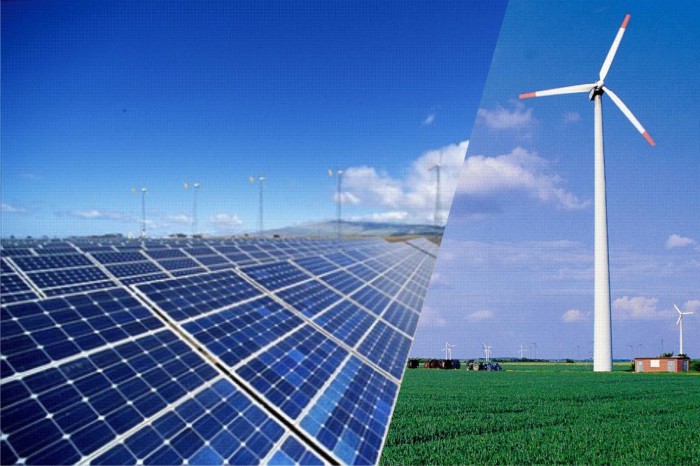
As the sun beats down on the outback and the wind whips across the Southern Ocean, it’s no secret that Australia is sitting on a goldmine of clean energy potential. We’re moving beyond the old ways, and the shift towards renewables isn’t just a trend—it’s a full-blown transformation of our energy landscape.
If you’re wondering what’s powering this change and what the key types of clean energy sources are, you’ve come to the right spot. This guide will walk you through the major players that are helping us reduce emissions and create a more sustainable future down under.
What is Clean Energy, Anyway?
In a nutshell, clean energy comes from natural sources or processes that are constantly replenished and, most importantly, produce little to no greenhouse gas emissions when generating power. Unlike our traditional reliance on coal and gas, these sources give us a way to keep the lights on without cooking the planet.
The Major Types of Clean Energy Powering Australia
Let’s dive into the clean energy sources that are making waves across our sunburnt country.
1. Solar Power
Harnessing the power of the sun is a no-brainer for Australia. We have some of the best solar resources in the world.
- How it Works: Photovoltaic (PV) cells in solar panels convert sunlight directly into electricity. It’s the same tech you see on household rooftops and massive solar farms.
- Australian Potential:
- Rooftop Solar: We’re world leaders! Over 3 million Aussie homes have solar panels on their roofs.
- Large-Scale Solar Farms: Projects like the Darlington Point Solar Farm in NSW are feeding huge amounts of clean power into the grid.
- Key Benefit: Abundant and scalable, from a single panel to a full-scale farm.
2. Wind Power
The same powerful winds that sweep across our coasts and rural plains are a formidable source of energy.
- How it Works: Large wind turbines use the kinetic energy of the wind to spin blades, which drive a generator to produce electricity.
- Australian Potential:
- Onshore Wind: Well-established, with major wind farms like Coopers Gap in QLD and Macarthur in VIC.
- Offshore Wind: This is the next frontier! Areas in Gippsland, Victoria, have been identified as prime spots for Australia’s first offshore wind farms.
- Key Benefit: A powerful and efficient source, especially during the night when solar isn’t generating.
3. Hydropower
One of the oldest and most reliable renewable sources, hydropower uses flowing water to generate electricity.
- How it Works: Water stored in dams is released, flowing through turbines to spin a generator. «Pumped Hydro» acts like a giant battery, pumping water uphill to a reservoir when energy is cheap and releasing it to generate power during peak demand.
- Australian Potential:
- The Snowy Mountains Hydro-Electric Scheme is the iconic example.
- The Snowy 2.0 expansion is a critical pumped hydro project set to provide massive storage and grid stability.
- Key Benefit: Provides reliable, on-demand power and crucial energy storage.
4. Biomass Energy
This one turns our waste into watts. Biomass energy generates power from organic materials.
- How it Works: Organic matter (like sugarcane waste, wood chips, or food waste) is burned directly, converted into biogas (through anaerobic digestion), or processed into biofuels.
- Australian Potential: Popular in agricultural regions. For example, sugar mills in Queensland have long used bagasse (the fibrous waste from sugarcane) to power their operations.
- Key Benefit: A great way to reduce landfill waste and generate energy simultaneously.
5. Geothermal Energy
Tapping into the immense heat deep beneath the Earth’s surface. While its potential in Australia is still being unlocked, it’s incredibly promising.
- How it Works: «Hot Rock» geothermal involves drilling deep wells to access hot rocks. Water is pumped down, heated, and brought back to the surface to drive turbines and generate power.
- Australian Potential: The Cooper Basin in central Australia is a key area of exploration due to its high underground temperatures.
- Key Benefit: Provides a constant, ‘baseload’ power source, 24/7, regardless of weather.
6. Ocean Energy
As an island nation, the energy in our waves and tides is a vast, untapped resource.
- How it Works: This includes technologies that capture the energy of wave movement and tidal streams.
- Australian Potential: Still in the research and pilot stage, but with massive potential, particularly along the southern coastline.
- Key Benefit: Highly predictable and consistent.
Comparing Clean Energy Sources for the Australian Market
| Energy Source | Key Advantage in Australia | Main Consideration | Development Stage in Australia |
|---|---|---|---|
| Solar Power | World-class solar resource | Intermittent (daytime only) | Well-Established |
| Wind Power | Excellent coastal & southern wind resources | Intermittent; can face social licensing challenges | Well-Established |
| Hydropower | Provides reliable, on-demand power and storage | Limited by water availability & geography | Well-Established |
| Biomass | Utilises agricultural waste; provides baseload power | Emissions from combustion require management | Mature |
| Geothermal | Potential for 24/7 baseload power | High upfront exploration costs | Emerging |
| Ocean Energy | Vast and predictable resource | Technology is in early development stages | Pilot / R&D Phase |
The Clean Energy Mix: It’s All About Teamwork
You might be wondering, «Which one is the best?» The truth is, there’s no single winner. The goal is a diverse energy mix. When the sun isn’t shining, the wind might be blowing, and hydropower can be called upon to fill the gaps. This diversity makes our grid more resilient and reliable.
The shift is well and truly on, driven by both large-scale projects and the power of everyday Aussies putting solar on their rooftops. By understanding these different types of clean energy sources, we can all be part of the conversation and power a brighter, cleaner future for Australia.